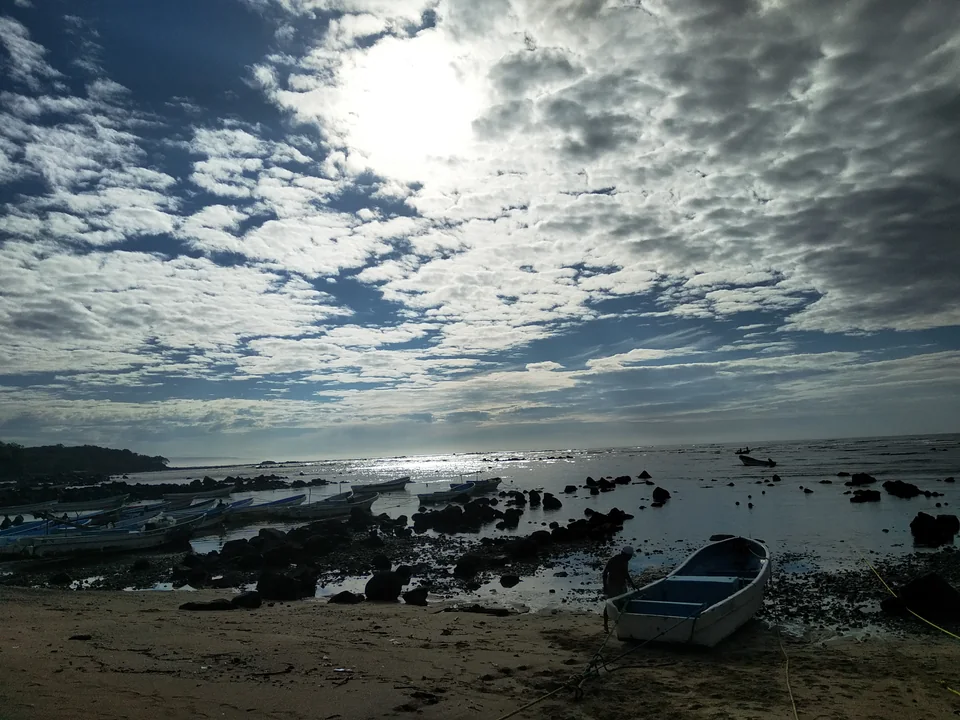
Boats, rocks, and low-tide shoreline at Los Cóbanos

Travel safety, clearly

Is El Salvador safe to visit?

Current conditions are far better than many travelers expect. Plan personal security, transport, beach visits, outdoor activities, and local-law checks with the same care you would anywhere unfamiliar.

Photo: Pollito03

Mindset

Plan for comfort, not bravado

Clear hotel locations, known transfers, and familiar visitor activities make a first trip easier to manage.

Transport

Reliable transport lowers the stress

Private transfers, trusted drivers, rental cars, and local advice each suit different routes and comfort levels.

Timing

Keep arrival and departure straightforward

The first and last days are more comfortable without a long chain of transfers.

Local advice

Check again before departure

Safety conditions change. Check current official travel advice and ask your lodging or transport provider about the specific route close to departure.
More to explore

Next useful guide

Safety planning

Ordinary travel habits still matter

El Salvador has changed quickly, but visitors still need practical habits: arrange reliable transport, avoid rushed night transfers, carry only the valuables you need, and ask locally about beaches, roads and neighborhoods.

Transport

Do not improvise late arrivals

Pre-arrange airport transfers when arriving after dark. For unfamiliar areas, use trusted drivers, hotel recommendations or established ride options.

Routes

Known visitor corridors are easier for a first trip

First-time travelers are better served by San Salvador, La Libertad coast, Santa Ana, Ruta de las Flores, Suchitoto and main archaeology routes before experimenting with remote detours.

On the ground

Ask locally and stay flexible

Beach currents, road works, weather and neighborhood conditions can change the day. Confirm plans with lodging, guides or drivers before heading out.

2025 evidence, 2026 advice

Security has improved sharply, but current advisories do not all use the same risk level

Residents report a much safer everyday environment, and official travel advice is substantially less severe than it once was. The continuing state of exception still creates legal and due-process risks that ordinary crime statistics do not measure.

The dated advisories below assess risk differently; do not average their ratings. Give the most weight to your own government’s advice and your insurance terms.

U.S. · 25 June 2026

Level 1: Exercise Normal Precautions

The official RSS advisory says gang activity and violent crime have dropped dramatically. It still restricts U.S. government employees from intercity travel at night and from public buses, and says the state of exception remains.

Canada · 29 July 2026

Exercise a high degree of caution

Canada cites arbitrary enforcement of local laws and crime. It says security has significantly improved, while foreign citizens may still face searches, detention, delayed consular help and checkpoints under emergency measures.

UK · checked 11 August 2026

Crime down; legal safeguards reduced

UK advice says crime has fallen considerably but violent and petty crime still exist. Its state-of-exception section warns of longer detention, weakened safeguards, possible limits on consular access and detention abuse.

HRW · Events of 2025

Gang violence declined; data limits remain

Human Rights Watch says gang violence continued to fall in 2025. At its reporting cutoff, the full 2025 homicide rate had not been published; it also flags restricted crime-data access and changes in how killings are counted.

What the latest comparable public survey adds

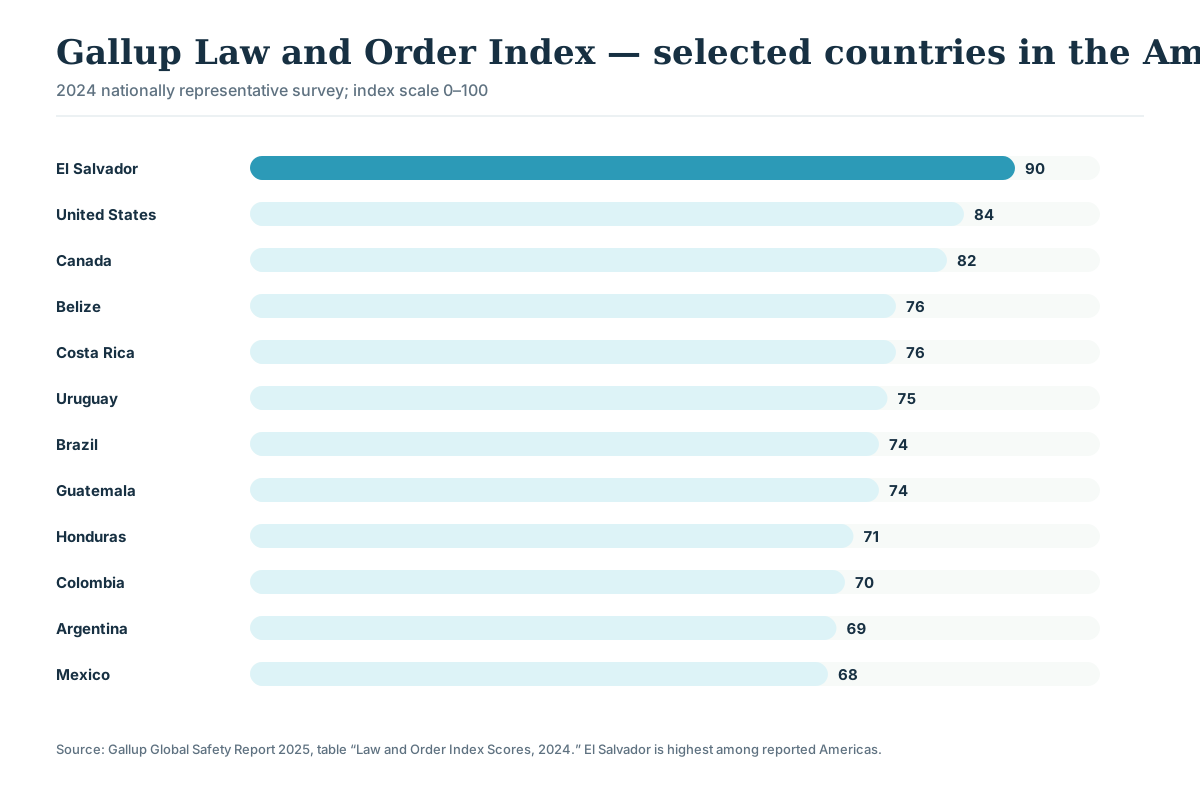
Gallup’s 2025 Global Safety Report uses a nationally representative 2024 survey. El Salvador scored 90 out of 100 on its Law and Order Index, while 87% of Salvadorans said they felt safe walking alone at night. These were the highest reported results in the Americas. Those results tell us about residents’ perceptions and recent experiences. They do not guarantee safety for every traveller, whether on the road, at a Pacific beach, or during a legal encounter.

Horizontal bar chart of selected Gallup Law and Order Index scores in the Americas: El Salvador 90, United States 84, Canada 82, Belize and Costa Rica 76, Uruguay 75, Brazil and Guatemala 74, Honduras 71, Colombia 70, Argentina 69 and Mexico 68
Gallup combines confidence in local police, feeling safe walking alone at night, theft experience and assault or mugging experience. Results come from the 2024 survey; the report was published in 2025.

Read “safest” carefully

A strong result is not a universal guarantee

For trip planning, the most useful conclusion is that El Salvador’s everyday security environment has improved dramatically and that Salvadorans now report unusually high confidence and nighttime walking safety. It does not mean every beach, road, neighborhood, legal encounter or adventure activity carries the same risk.

A helpful way to say it: “Gallup’s 2024 survey places El Salvador first in the Americas for perceived local safety.” That is precise. “Nothing bad can happen” is not.

Swipe horizontally to compare all columns →

How to interpret different safety measures
MeasureWhat it tells youWhat it cannot promise
Gallup indexResidents’ recent confidence and personal safety experienceYour risk in every place or activity
Current travel adviceLive legal, regional and traveler-specific cautionsThat every government uses the same comparison or risk level
Travel advisoryA government’s current advice to its own nationalsThat another government will use the same risk level
Local checkToday’s road, neighborhood, surf or access conditionsA substitute for official advice or personal judgment

What still deserves attention

The everyday risks are often ordinary travel risks

The safer atmosphere should make the trip feel more open, not careless. A calm plaza does not make an unfamiliar mountain road easier after dark, a quiet beach safe for swimming, or a phone left on a car seat invisible.

Roads and night driving

Traffic, motorcycles, curves, rain and limited lighting may be a more immediate visitor risk than violent crime. Arrive with daylight when possible.

Ocean and adventure

Currents, surf ability, volcanic conditions and heat require their own checks. Security statistics do not establish activity safety.

Phones and belongings

The same quiet habits used in any unfamiliar city apply here: carry only what you need, use hotel storage, and leave nothing visible in a parked car.

Laws and documents

The continuing state of exception and local enforcement context appear in foreign advisories. Carry identification, cooperate at road checks and read current government advice.

Evidence and live checks · reviewed 11 August 2026

Open your own government’s advice again before travel

The advisory levels and wording above were checked against the linked sources on the review date. They can change without notice. Gallup supplies comparable perception data; government advisories cover current traveller and legal risks; Human Rights Watch adds 2025 data-transparency and due-process context.

Method note: this guide does not combine figures to produce a 2025 homicide rate. The sources do not provide one complete, independently comparable series for that year, and one reviewed source explicitly says the full 2025 homicide rate had not been reported at its cutoff.

Good to know

A few useful answers

Straight answers about current conditions, everyday precautions, transport, and official advice.

How should I use this safety guide?

Read it alongside current official advice if you are deciding where to go, how to move around, or what everyday precautions feel comfortable.

What should I recheck before travel?

Recheck official advisories, local conditions, transport arrangements, weather or volcanic alerts, and advice from your accommodation.

Does improved security remove ordinary travel risks?

No. Road conditions, swimming hazards, theft, weather, and unfamiliar areas still call for normal care and current local advice.