Start here
The first and last nights come first
Record your flights, choose the regions you want to visit, and make the first and last nights easy. Start with the Airport Arrival guide.
Travel guide
Plan your first El Salvador trip: where to stay, how long to spend, what to see, and how to handle transport, food, and everyday safety.
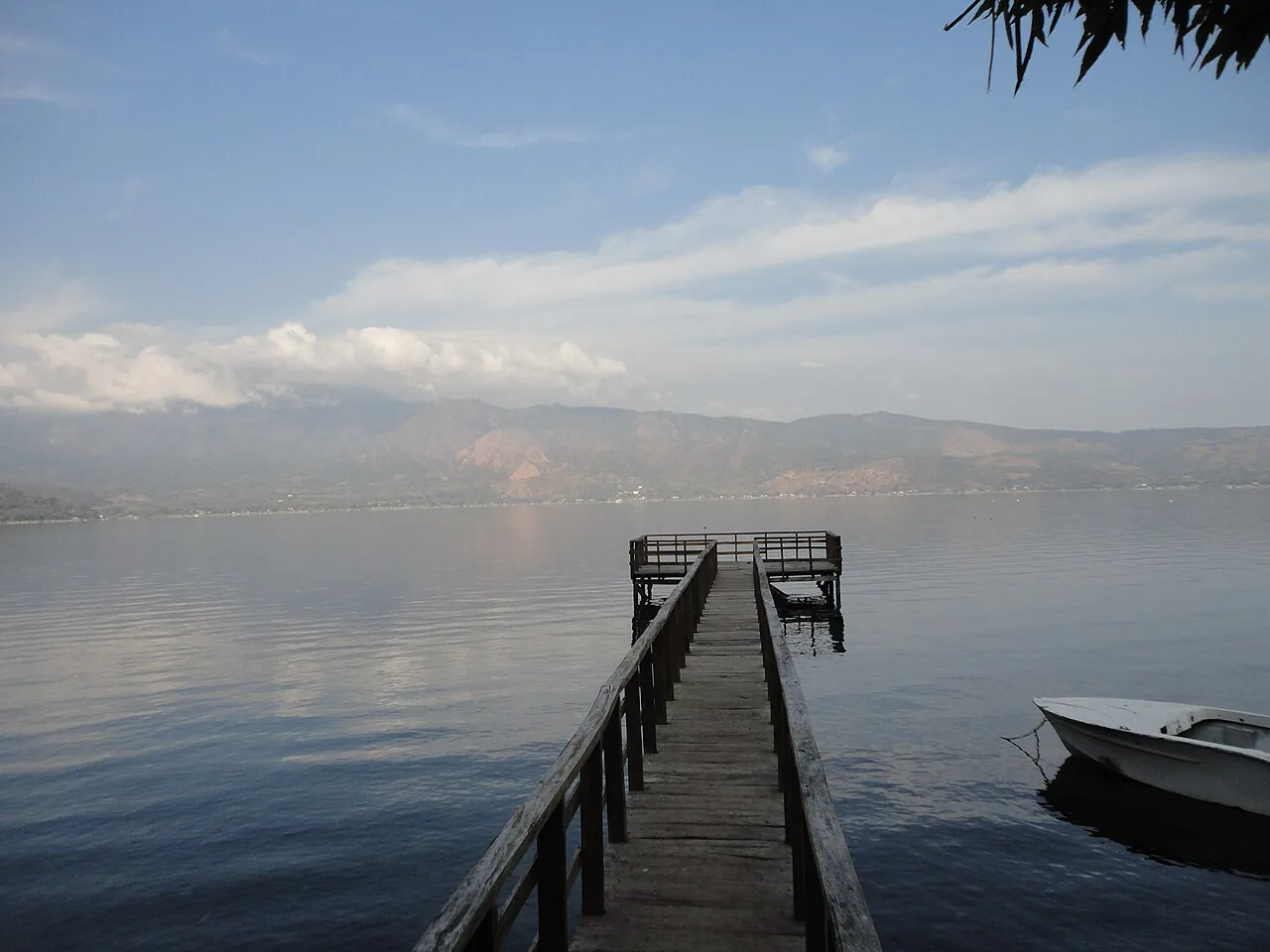
Photo: ElmerGuevara
The basics for a first trip
Flight times and the regions you most want to see will tell you where to sleep. Once that outline feels comfortable, book the hotels and daily activities.
Four simple steps
The first and last nights shape the rest of the trip. From there, check current travel details, make arrival easy, and match transport to each day.
Start here
Record your flights, choose the regions you want to visit, and make the first and last nights easy. Start with the Airport Arrival guide.
Before you leave
Check the official sources in the entry guide and use the season guide before weather-sensitive days.
When you arrive
Save the address and contact offline, confirm late check-in, and know who is providing the ride. Sightseeing can wait until everyone has arrived and rested.
For each day
Use the Getting Around guide to choose transport for an airport pickup, city day, volcano start, coast stay, or trip with several stops.
When you arrive
Allow time for immigration and baggage before your transfer. If you land late, confirm that both the driver and hotel can accommodate a delay.
A smooth first night
Save the hotel address and phone number offline, confirm late check-in and know who will meet you at the airport.
Before booking
Read it before booking hotels or transfers, then return when you are putting the days in order.
Leave enough time
Short distances can still take time if you choose the wrong place to stay, drive at a busy hour, or pack too many stops into one day.
Before booking hotels
Once you know which regions interest you, book accommodation that makes those days easier. Flexible rates help where weather, access, or transport may change.
When plans change
When something changes, keep the same hotel whenever possible and choose a simpler option nearby. That usually works better than crossing the country to save every item on the original list.
Arrival delay
Contact the driver and hotel, keep the confirmed room, and remove the evening activity before changing where you sleep.
Bad weather
Move the hike, boat trip, or long beach day when possible. Choose a nearby meal, museum, town walk, or slower day without changing hotels.
Closed or unavailable
Another place in the same area will usually work better than a long, unplanned transfer.
When you need a break
Staying at the same hotel, shortening the day, and eating nearby can turn a setback into a restful evening and a better tomorrow.
A simple first route
For many first-time visitors, three stops are enough: begin in San Salvador to recover from the flight and see the capital, spend a few nights along the La Libertad coast, then head west for Santa Ana, Ruta de las Flores, or both. You can see a lot without packing every morning.
San Salvador offers an easy airport recovery, museums, restaurants, and a convenient driver pickup before you travel farther.
El Tunco, El Zonte, and El Sunzal bring surf energy; Costa del Sol offers an easier resort-style rest.
Santa Ana, Coatepeque, Tazumal, and Ruta de las Flores add volcano scenery, lake time, archaeology, and coffee towns to a beach trip.
Getting around
You may want a different way to get around on different days. An airport pickup, a morning volcano hike, several coffee towns, and a quiet beach day each call for something different. Compare the cost of the whole day, including a reliable way back, before choosing.
The Getting Around guide compares the modes in detail. If driving is still the leading option, use the Driving and Car Rental guide before committing to insurance, deposits, parking, and the driving itself.
Useful for a fixed journey such as the airport to your first hotel. Confirm the meeting method, destination, price, waiting policy, driver contact, and what happens after a flight delay.
Useful when the day has several stops, uncertain parking, an early start, or a return that would be difficult to improvise. Agree on the route and inclusions before departure.
Consider it when flexibility genuinely outweighs insurance, deposits, navigation, parking, fatigue, and the need to keep valuables out of sight. Inspect and document the vehicle.
Useful only when the exact route, operating window, luggage burden, and return are understood. Do not let an easy outbound trip become an unplanned evening transport problem.
How often to change hotels
Changing hotels every night quickly becomes tiring. Each move means packing, checking out, traveling, finding the new place, and checking in again. Two or three well-chosen stays usually leave more time for the country itself; add another when it gives you an easy early start or several days in a different region.
About five nights
The capital and central coast make a natural pair, as do the west and coast when flights and transport cooperate. A third hotel often adds more packing than pleasure.
About seven nights
A capital, west, and coast sequence can work when each transfer follows the route. Compare it with the seven-day itinerary rather than adding isolated pins.
Longer trips
The north or eastern coast deserves enough time to justify the transfer. Do not add a distant region as one overnight merely to say it was included.
Before you leave
You can sketch the route early, but entry rules, official advice, opening hours, prices, road conditions, and weather can change. Follow the official sources linked in these guides and check them again near departure and before any day that depends on the conditions.
Do not treat a social post, old blog, map estimate, or cached search result as proof that an attraction, road, crossing, tour, or payment method currently works.
Verify passport and entry requirements for your nationality and route using the authorities listed in the Entry Requirements guide.
Read current official travel advice and apply it to your exact route, transport, daylight, and activities with the Safety guide. No evergreen page can guarantee conditions.
Use the Best Time to Visit guide, then recheck forecasts, surf or trail conditions, opening information, and road access for the actual day.
Carry more than one way to pay, understand ATM and tipping decisions in the Money guide, and make a setup plan with the SIM and Internet guide. Verify current fees and availability.
Before you book
Before paying, save the exact address, terms, contact method, payment method, expected check-in time, and pickup and transport details somewhere available offline. Screenshots help when confirmation apps, email, or mobile data do not.
The first and last nights should feel straightforward. For each hotel in between, check that its location suits the places you want to visit the next morning. If it does not, reconsider before the cancellation window closes.
A comfortable pace
A volcano hike, a long transfer east, a surf lesson, an archaeology day, or a tiring arrival can fill most of the day. A nearby meal, viewpoint, beach pause, or town walk can follow when there is still enough time. An open evening leaves room for delays, tired travelers, or a meal that takes longer than expected.
Before adding another stop, know where the day ends and how you will get back. If that is unclear, leave the extra stop out. Short trips often feel fuller when you are not abandoning an overpacked schedule.
What the first trip feels like
The arrival hall is your starting point. Beyond it, the western highlands and Lake Coatepeque give you good reasons to slow down.

Knowing what to expect on arrival makes the first night easier.
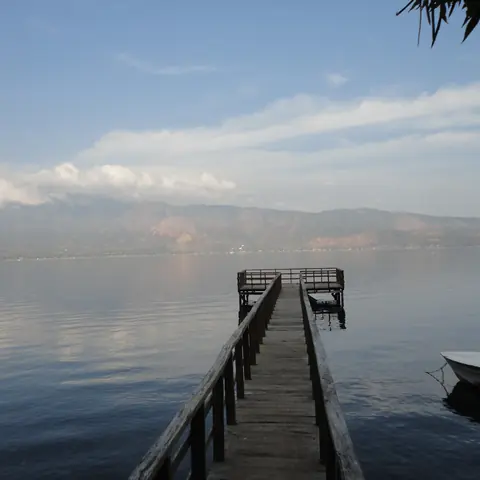
Leave time for the views at Lake Coatepeque on the western loop.
Start at SAL
Check what you need before flying, what to do on arrival, and how to get back to the airport. The guide covers documents, transport, the first night, phone service, and money.
Good to know
What first-time visitors usually ask about pace, safety, transport, food, and hotel changes.
Arrival and departure nights, the regions you care about, early-start activities, and transport all determine which hotels are truly convenient.
Recheck entry rules, official travel advice, weather, road and attraction access, prices, schedules, opening hours, and transport details close to your dates because all can change.
This page gives the broad picture. The linked guides have current sources and details, and they are worth checking again shortly before departure.