Best for
Why it matters
A preserved Maya farming village often called the Pompeii of the Americas, best for understanding daily life.
History guide
A preserved Maya farming village often called the Pompeii of the Americas, best for understanding daily life.
Photo: Mario Roberto Duran Ortiz
Plan it well
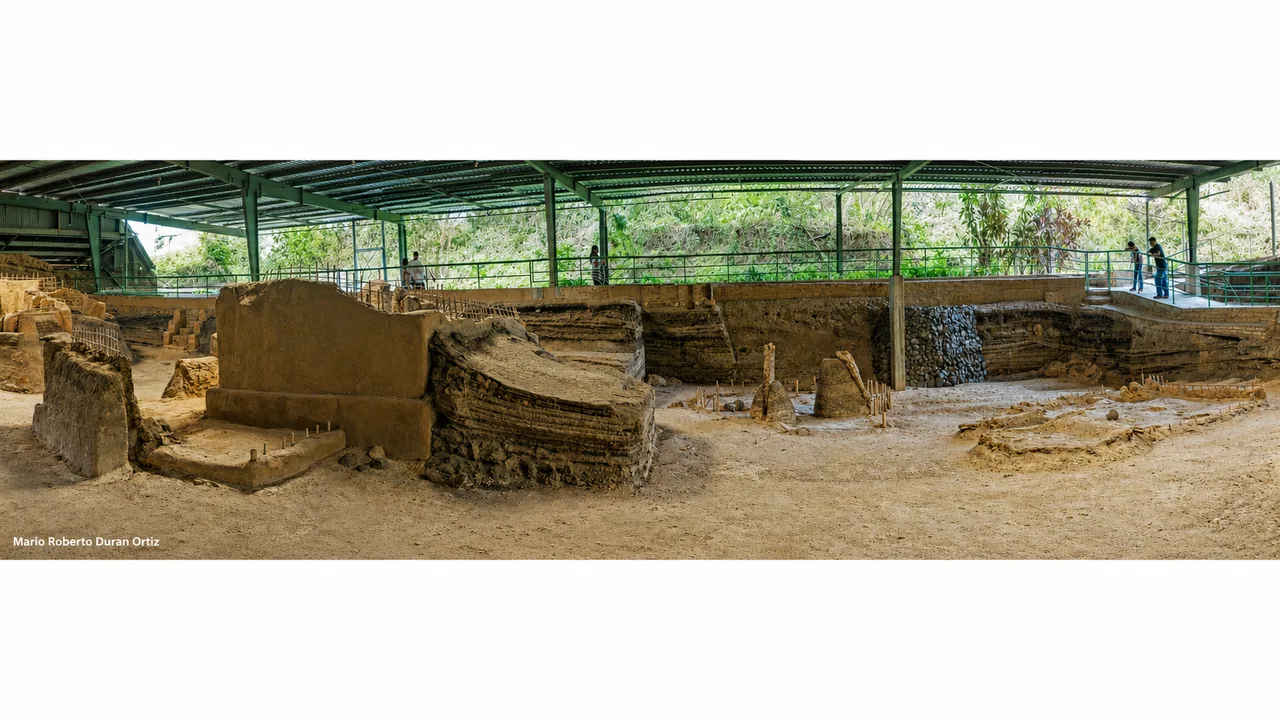
At Joya de Cerén, volcanic ash preserved homes, storage areas, fields, and other traces of ordinary Maya life. That is what sets it apart from the country’s ceremonial sites.
Reference starting point: El Salvador Travel official listing.
At Joya de Cerén
Look beyond monumental architecture: household spaces, storage, farming evidence, and the volcanic ash explain why this preserved village is unusual. Allow time for the interpretation rather than rushing through for one photograph.
Best for
A preserved Maya farming village often called the Pompeii of the Americas, best for understanding daily life.
Timing
Plan a half day unless you are combining multiple archaeological parks into a themed route.
Context
Read the site interpretation and pair the stop with museums, plazas, or nearby towns instead of treating it as a quick photo stop.
Archaeology context
After seeing daily village life at Joya de Cerén, visit San Andrés for its larger regional story. You can also include the site on a trip from San Salvador or on the western route. Check opening hours and arrange transport before setting out.
Why it matters
Joya de Cerén is powerful because it explains ordinary Maya life: households, food preparation, agriculture, and community routines preserved by volcanic ash. It balances El Salvador’s big scenery with human-scale history.
Joya de Cerén deserves time for its preserved homes, fields, and stories of everyday Maya life.
Look for the farming, storage, and household context that makes the site different from ceremonial centers.
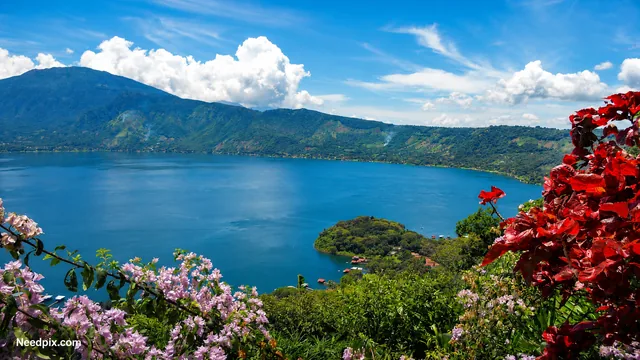
Combine with San Andrés, Santa Ana, or Ruta de las Flores for a stronger western route.
See what the shelter protects
The panorama shows the protected excavation area, layered earthen walls, and raised visitor walkway. These are the remains of homes and community buildings preserved beneath volcanic ash, not monumental temples.
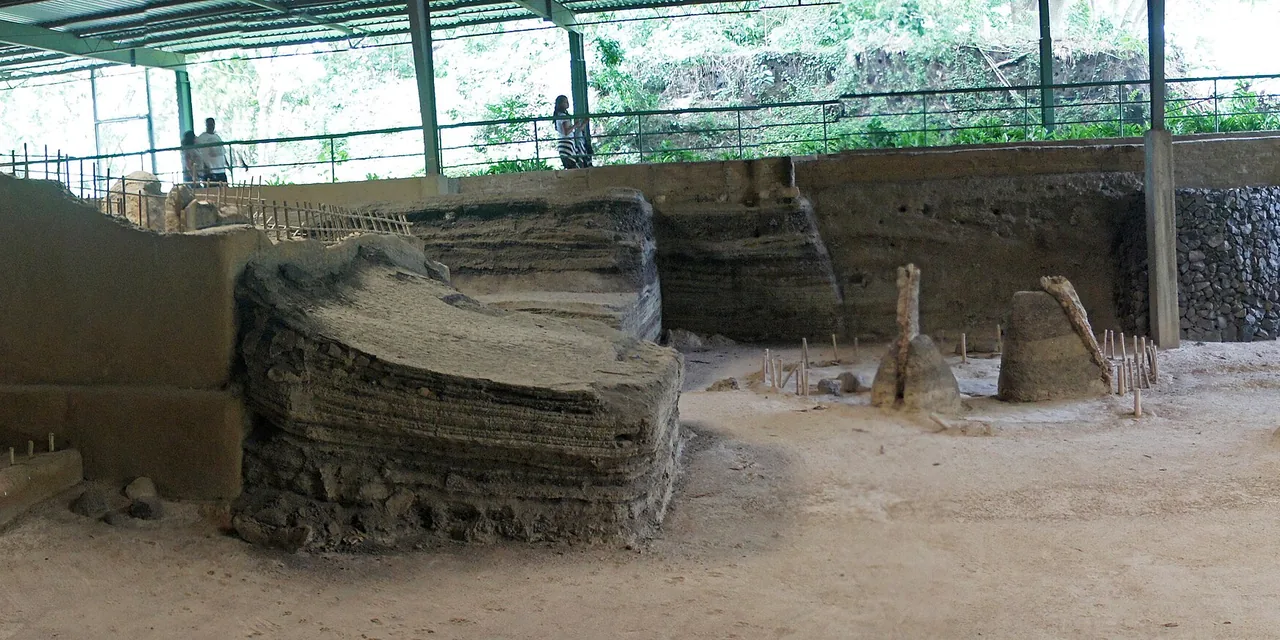
Read the contrast
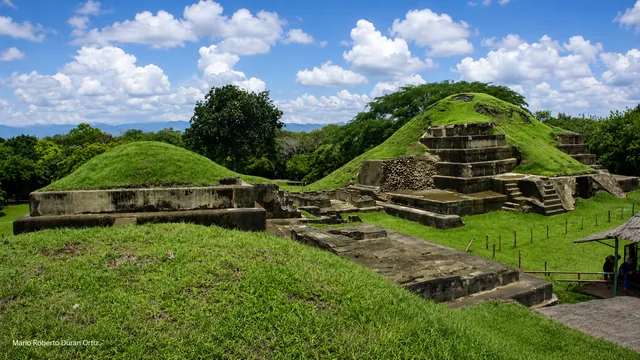
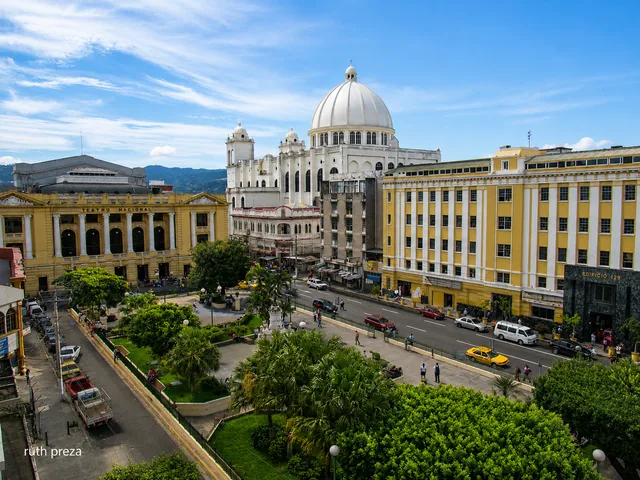
The main photograph shows Joya de Cerén itself. Below, San Andrés and Tazumal show the larger ceremonial structures you can see elsewhere, while San Salvador is a convenient place to stay for a visit.
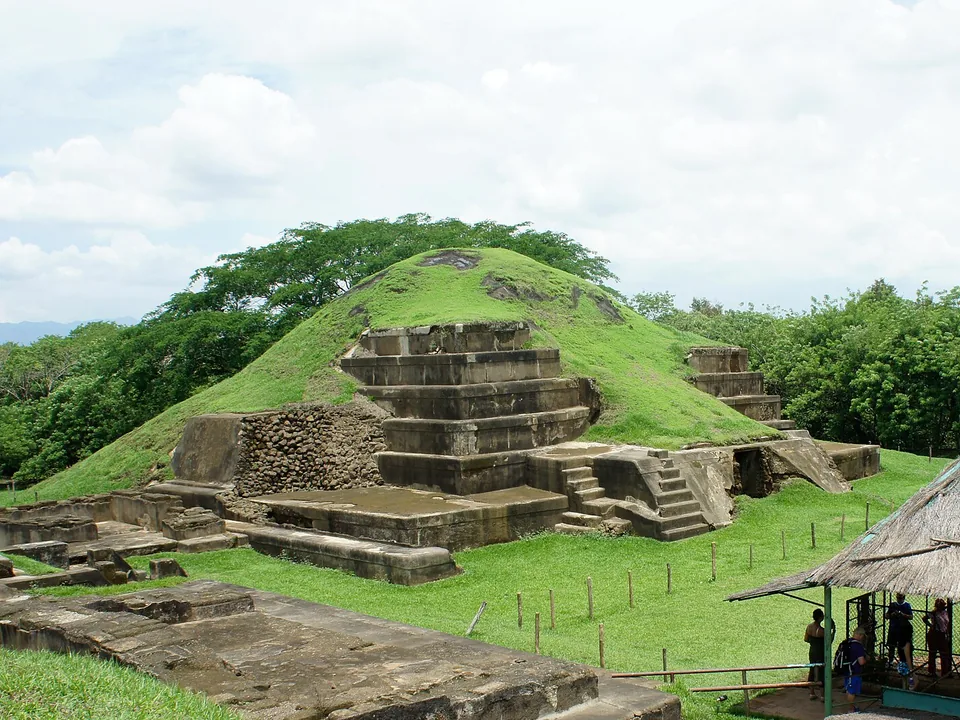
Regional center
Pair daily life with ceremonial scaleJoya de Cerén preserves household life; San Andrés explains a larger political and ceremonial center in the same valley. Together they create the clearest archaeology contrast.
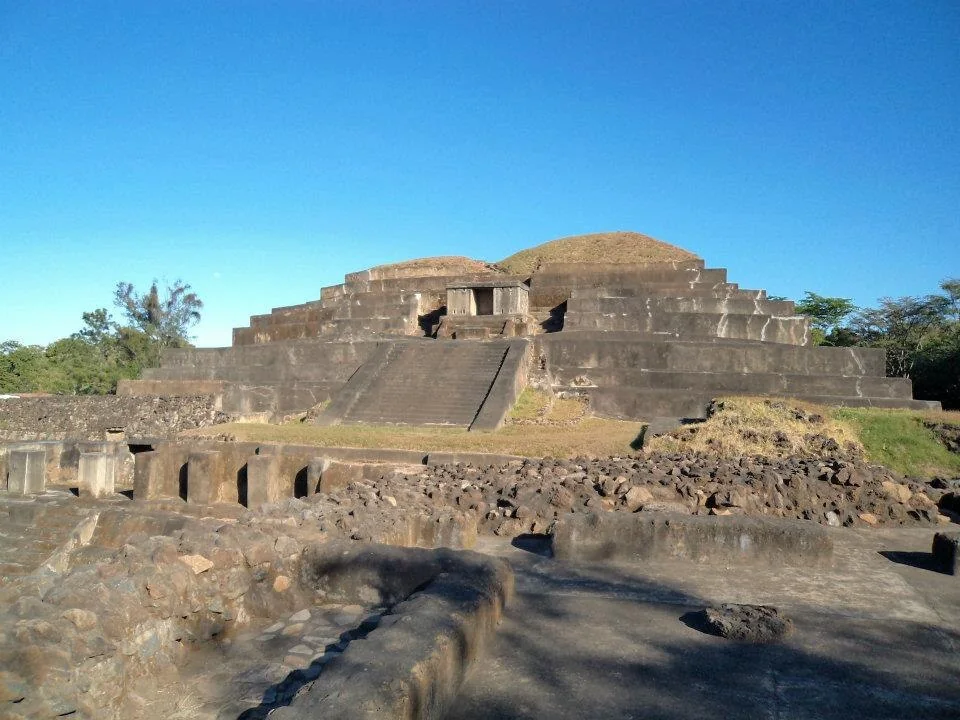
Monumental contrast
Choose Tazumal for the larger visual impactIf the group wants the most immediately monumental site, use the Tazumal guide. Keep Joya de Cerén when daily life and preservation are the more interesting story.
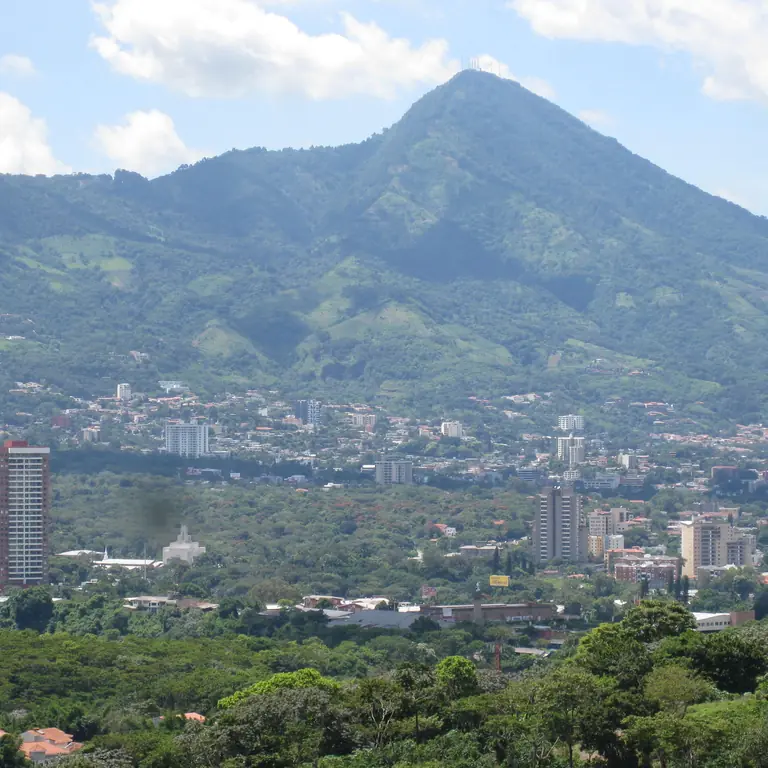
Convenient starting point
Start from San Salvador when the route is shortA capital base can support Joya de Cerén and San Andrés without an extra hotel change. Use the San Salvador guide to keep the city meal, museum, and return realistic.
Find your bearings
The site fits naturally on a westbound day with San Andrés, but opening hours should decide the order. Navigate to the archaeological park, not only to the canton name.
Estimated drive from San Salvador
35.6 km · 37 min
OSRM/OpenStreetMap estimate checked 11 August 2026; traffic and the final approach can add time.
These estimates use OSRM and OpenStreetMap road data. Before you leave, check the live route, current conditions, and the exact property or entrance you need.
Local orientation sketch, not a Google Maps preview. Google Maps loads only after you open it.
Watch for context
This brief museum video explains the ancient community and what its preserved homes tell us about daily life.
Video: Smithsonian National Museum of the American Indian on YouTube. The privacy-enhanced player loads only after you press play.
Archaeology context
Joya de Cerén is a UNESCO World Heritage archaeological site because it preserves something rare: a Maya farming village, not only temples or elite monuments. Volcanic ash buried the settlement and protected traces of everyday life, including homes, storage areas, work spaces, and crop-related evidence.
Look for evidence of cooking, food storage, farming, and the arrangement of homes. These domestic details tell a different story from the ceremonial structures at Tazumal, San Andrés, or Cihuatán.
Allow time to read the signs or take a guided visit when available. The smaller household details are easy to overlook without an explanation.
The most interesting details are domestic: household spaces, food storage, work areas, and how a farming community was organized.
Volcanic ash created the preservation conditions that make the site unusually readable today.
Combine it with San Andrés, Tazumal, or the archaeology hub so visitors understand both ordinary life and ceremonial centers.
Photo gallery
See the preserved structures and site layout. Browse one photo at a time with Previous and Next.
Loading photo gallery…
Good to know
Answers about visiting the preserved village, timing, nearby San Andrés, and why the site matters.
Joya de Cerén preserves unusually detailed evidence of everyday Maya life, including homes, storage areas, crops, and work spaces buried by volcanic ash.
San Andrés is the natural archaeological companion. You can also continue toward Santa Ana or return to San Salvador without forcing another site.
Confirm current opening days, entry arrangements, guide availability, and travel time through the Zapotitán Valley.