Choose the right coast base
El Tunco is easiest for restaurants and social energy. El Zonte and El Sunzal feel quieter, with more time at the hotel or beach.
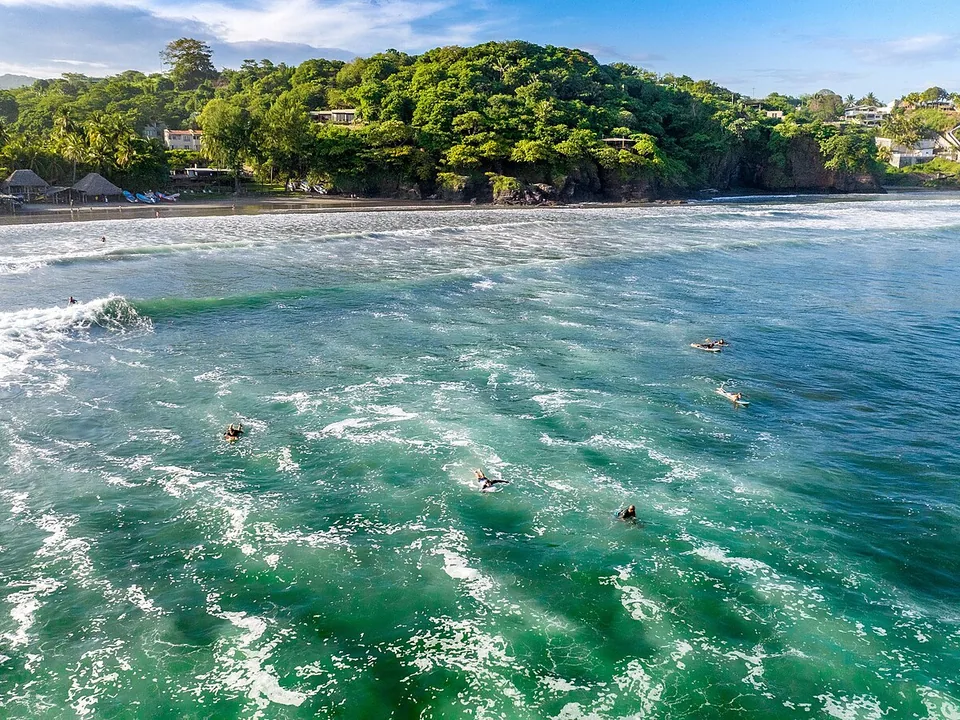
Coast first, crater second
This trip pairs a few days on the Pacific coast with a Santa Ana Volcano hike, without asking you to rush from the beach to the trail.
Photo: Casa Presidencial El Salvador
Best for
Short active trips
Length
4–6 usable days
Core stops
El Tunco + Santa Ana
Pace
Active but not frantic
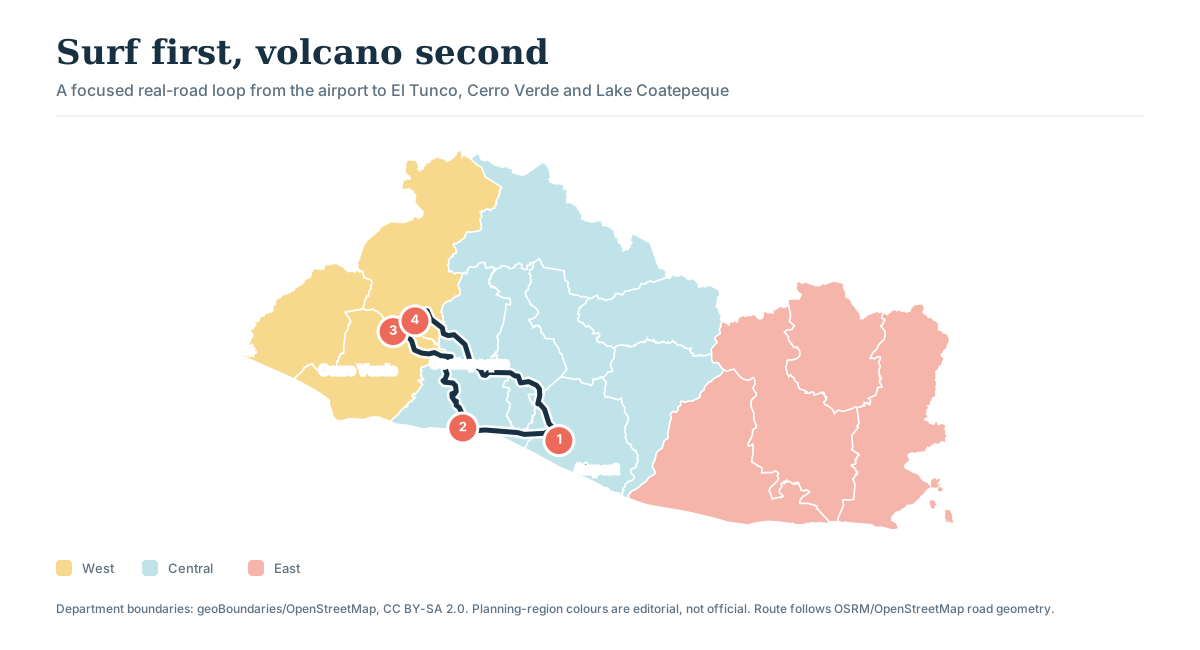
A comfortable order for the trip
The coast is a gentle place to begin: unpack, get to know the break, and recover from the flight. Before the volcano hike, spend the night in Santa Ana rather than leaving the beach before dawn and hoping every road and access detail goes smoothly.
| Day | Plan | Sleep | What to confirm |
|---|---|---|---|
| 1 | Airport → El Tunco/El Zonte; settle and watch the water | Coast | Pre-arrange a late arrival |
| 2 | Lesson or guided session matched to ability | Coast | Qualified local instruction + suitable conditions |
| 3 | Second surf window, neighboring beach or complete rest | Coast | Do not schedule around an assumed tide from an old article |
| 4 | Move west; Lake Coatepeque if timing and weather fit | Santa Ana/Coatepeque | Arrive before dark and confirm hike logistics |
| 5 | Santa Ana Volcano; recovery meal and flexible afternoon | West or capital | Current access, weather and guide process |
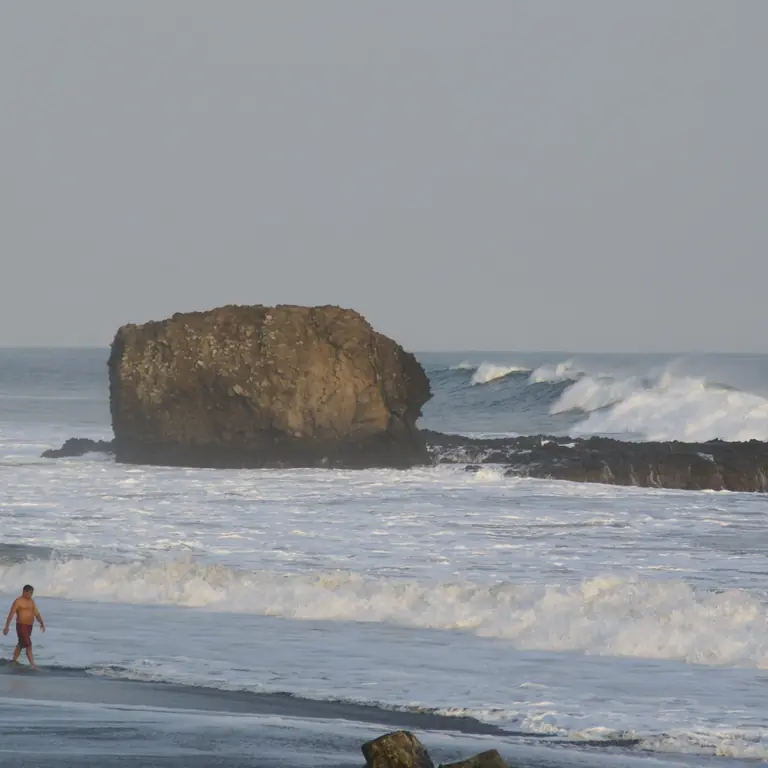
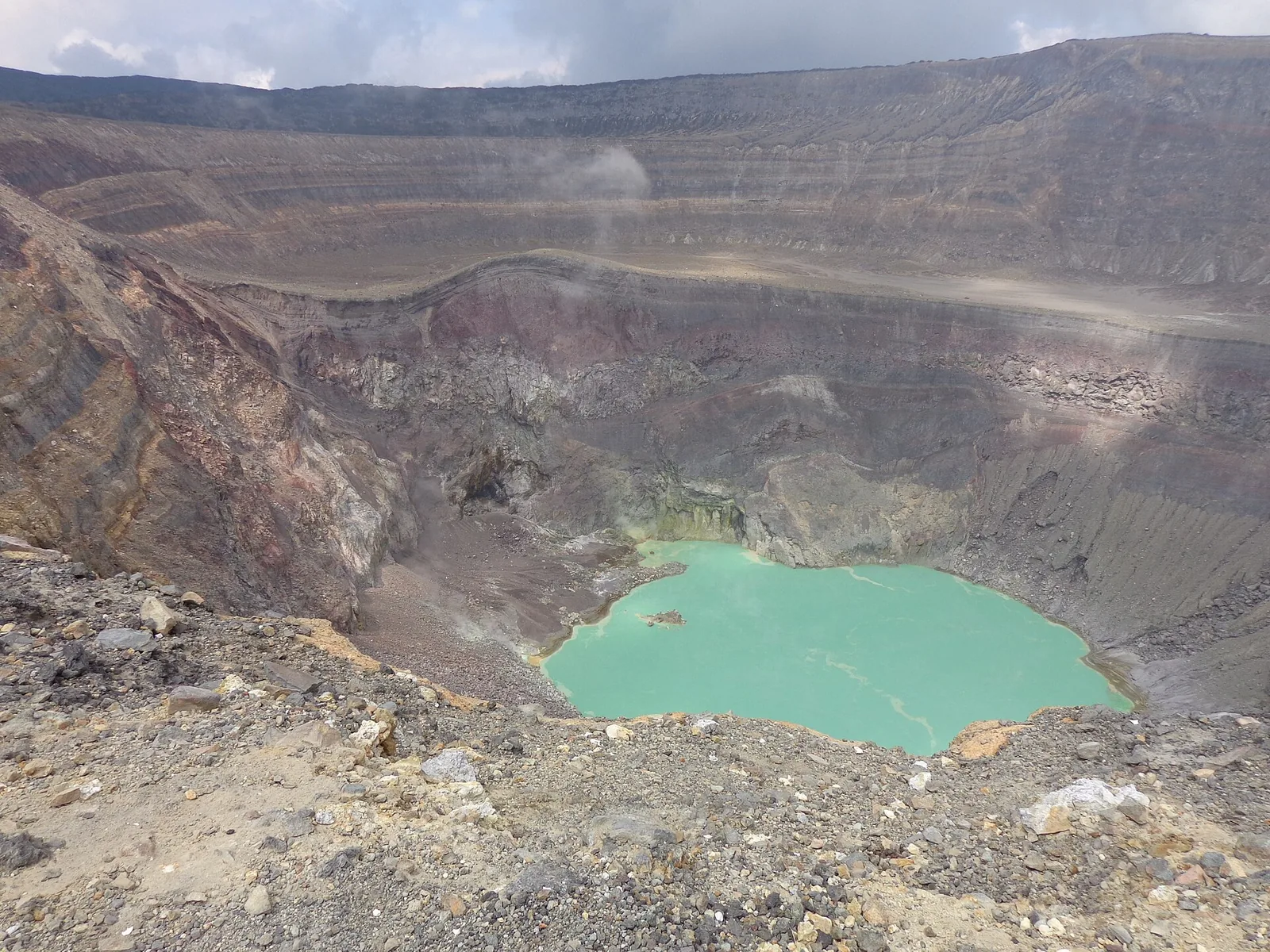
Leave time to recover
A hard surf session followed by a long drive and an early hike sounds efficient on paper. On holiday it feels more like wet gear, laundry, and alarms. Leave the transfer afternoon easy and arrive in Santa Ana ready for the morning.
El Tunco is easiest for restaurants and social energy. El Zonte and El Sunzal feel quieter, with more time at the hotel or beach.
Use a qualified local instructor, ask about entry and exit, and stay out of the water when conditions do not suit you.
Coatepeque is a lovely recovery stop, but not if a late surf session or heavy rain pushes the mountain drive toward darkness.
Confirm first/last nights, airport transport, coast-to-west transfer and current volcano access before filling every meal.
Six days of Pacific water and western highlands
Surf days can bend with the swell and tide; volcano days usually have firmer start times. Keeping them in separate parts of the trip means tired shoulders, a late change in the waves, or a cloudy summit will not throw off the whole week.
Day 1
Settle in and watch the water before making plans for the morning. A reputable school or guide can explain what the local breaks are doing.
Day 2
The right break depends on ability, tide, swell, and access. Beginners need a calm teaching setup, not a famous expert wave.
Day 3
Leave the timing flexible, with Puerto de La Libertad, a good meal, or a lazy afternoon available after the session.
Day 4
Travel toward Santa Ana or Lake Coatepeque, stop for lunch, and sort out the next morning’s volcano details before evening.
Day 5
An early start and current entry information matter. If the summit is closed or clouded in, the lake, Santa Ana city, or archaeology can save the day.
Day 6
Enjoy a quiet western morning or make your way toward the airport. Avoid placing a fixed flight transfer immediately after a hike with an uncertain finish.
A few things to check before booking
Good to know
Answers about trip length, coast-first versus volcano-first, and where to sleep before the hike.
This itinerary suits travelers who care most about surfing and Santa Ana Volcano. Four full days is tight; five or six gives you time to learn the break and sleep near the volcano before the hike.
Yes. The coast makes a gentle arrival, while going west first can catch the best hiking forecast. Either way, sleep near the volcano before the hike rather than relying on a pre-dawn drive from the coast.
Confirm the first and last nights, airport transfer, coast-to-west move and the current official volcano access and guide requirements. Surf lessons should be confirmed close enough to travel that the operator can discuss ability and conditions.