
Sunset Park and the coast at La Libertad

Travel guide

Money, ATMs, Cards and Tipping

Understand cash, cards, ATMs, small bills, tipping habits, Bitcoin context, and how to avoid common payment problems.

Photo: Casa Presidencial El Salvador

Cash

Carry useful denominations, not a visible roll

Small businesses, buses, markets, parking, tips, and rural stops may be easier with cash. Ask your bank for smaller US-dollar notes when practical, split cash between secure places, and avoid relying on large bills for a low-value purchase. Count change before leaving the counter without displaying your full travel budget.

Cards and ATMs

Use supervised machines and reject surprise conversion

Prefer ATMs inside a bank, shopping center, hotel, or staffed business. Inspect the slot and keypad, cover the PIN, keep the receipt, and review transactions. If an ATM or terminal offers to convert the charge into your home currency, compare that rate with your card issuer’s terms rather than accepting automatically.

Bitcoin

Optional payment, never the only backup

A business may accept a Bitcoin wallet, may use a different service, or may prefer dollars or cards. Ask before ordering, confirm the currency and amount on your own screen, understand network or conversion fees, and do not hand an unlocked wallet to another person. Current Canadian advice specifically flags card, ATM, and Bitcoin e-wallet fraud as risks.

Tipping

Check the bill before adding anything

Tips vary by service. Look for an included service charge, ask when the bill is unclear, and tip voluntarily for attentive table service, guides, drivers, or hotel help. Keep a few small notes rather than expecting every person to break a large bill.
Before departure

Ask your bank five questions

Foreign fee?

Know the percentage or fixed charge before daily card use.

ATM fee?

Separate your bank’s fee from the machine owner’s fee.

Daily limit?

Confirm withdrawal and purchase limits before a deposit or long transfer.

PIN works?

Confirm your PIN works abroad and know how to freeze the card.

Backup card?

Store it separately with the issuer’s emergency number.

Arrival setup

Bring enough cash to reach your first hotel

Arrive with enough small US-dollar cash for the first transfer, food, and a minor delay. Use a supervised ATM only if needed, then make a larger withdrawal or card decision after you reach a familiar base and understand the machine’s fee.

Fraud rule

Pause when the payment screen changes

Confirm the amount and currency before approving. Keep your card in sight, cover the PIN, and check the transaction alert. If a wallet or card fails, switch methods instead of repeating the same payment until several pending charges appear.

Official source checked 24 July 2026

Recheck currency and payment safety

Paying for everyday travel

A card, some small US-dollar notes, and one backup will cover most trips

The simplest setup is a card without foreign transaction fees when possible, useful US-dollar notes, a second card kept elsewhere, and enough cash for small meals, markets, transport, tips, and places where the terminal or signal is down. Keep a backup rather than relying on one app, ATM, or payment method for the whole trip.

Cash

Carry smaller notes and break large bills at formal businesses when possible. Count change without displaying the rest of your money.

Cards and ATMs

Use bank-linked or supervised ATMs, cover the keypad, keep the receipt, and decline optional conversion when your own bank offers the better rate.

Bitcoin and apps

Acceptance is optional and variable. Use digital payment only when both parties clearly agree and you understand the amount, network, fee, and fallback.

A few things to check before booking

  • Tell the bank the travel dates only if it still uses travel notices, and save its emergency number.
  • Check foreign-transaction fees, ATM fees, and daily limits. Make sure your PIN works and ask how to get a replacement card if needed.
  • Keep one card and emergency cash separate from the everyday wallet.

Money in everyday settings

Carry small notes and a working card for everyday spending

For markets and food stops, carry small US-dollar notes, check the prices, and keep a backup payment method rather than a large roll of cash.

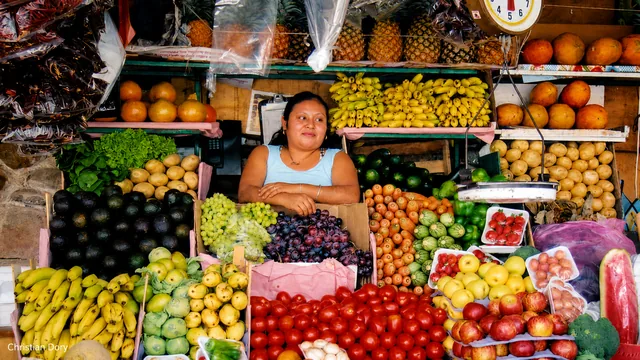
Produce and goods arranged at a food market in El Salvador

Photo: Christian Dory

Small denominations are useful in markets and family-run businesses.

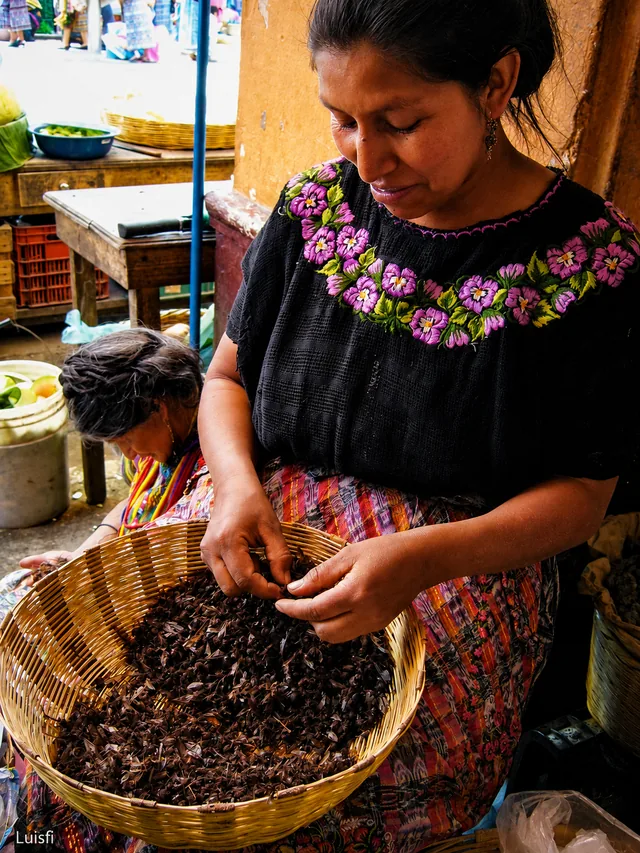
Colorful everyday market scene in El Salvador

Photo: luisfi

Ask the price, check the bill, and keep one payment backup.

Arrival money

Plan a payment backup before landing

Work out what you need for phone service, transport, and the first night. Bring a modest amount of cash and a backup card.

Open airport hub →

Good to know

A few useful answers

What to know about US dollars, Bitcoin, cards, ATMs, cash, and tipping.

What money setup works for most visitors?

Most visitors will be comfortable with a card, some US-dollar cash, and a backup way to withdraw money. Bitcoin is optional.

What should I check with my bank?

Check foreign transaction fees, ATM charges, withdrawal limits, card locks, and how to reach the bank if a payment is declined.

How much cash should I carry?

Carry enough for small meals, tips, markets, parking, and places without reliable card service, but avoid keeping all your cash together.